
Posted by Rich Tool Systems on Nov 24th 2026
Winter Shop Air Hoses, Reels and Abrasives Guide
Winter shop readiness: Air hoses, reels, and abrasives that perform in the cold
Winter exposes weak points in air systems and consumables just when productivity matters most. Cold air condenses more moisture in tanks and lines, rubber stiffens, and dense substrates can load sanding media quickly. A little preparation keeps your bays moving and your finishes consistent.
This guide covers winter maintenance for compressors and hoses, how to choose and place reels, what to look for in a 3/8 inch rubber air hose and fittings, and how to select and store abrasives that keep cutting in low temperatures. A quick checklist is included near the end, along with a note on heavy-duty washdown gear for salty slush and equipment cleanup.
Maintain compressors and hoses for cold weather
Moisture management and gradual warm-up are the priorities.
- Drain tanks and filter bowls daily. Cold weather accelerates condensation. Frequent draining helps prevent rust, ice in lines, and stuck regulators. If your compressor cycles hard, check auto drains or crack the petcock at shift changes.
- Let tools and hoses warm to shop temperature before heavy use. Seals, lubricants, and rubber regain flexibility as they warm. Running hard at freezing temperatures can split hose covers and stress O-rings.
- Inspect hoses end-to-end. Look for flat spots from reel edges, hardening, surface checking, or exposed reinforcement. Replace sections that show cuts near fittings or any blistering. Confirm couplers and clamps are tight and leak-free.
- Verify regulator, filter, and lubricator function. Replace elements and top off pneumatic tool oil as recommended. A few drops of air tool oil before first use often improves cold starts.
- Check safety reliefs and gauges. Cold snaps can mask pressure spikes when lines ice up. Confirm gauges read correctly and reliefs lift as intended.
Choose the right 3/8 inch rubber air hose and fittings
A 3/8 inch inner diameter is the workhorse size for many impact wrenches, grinders, and sanders. For winter, prioritize flexibility, clean airflow, and matched ends.
- Inner diameter and length. Stay with 3/8 inch ID for typical shop air tools. Keep length only as long as needed to reduce pressure drop. If you regularly work farther from the reel, upsize the supply to the reel rather than adding long tails of smaller hose.
- Material and construction. Rubber remains flexible in the cold and resists kinks. Look for thick-wall designs rated for shop abuse, with covers that resist oil and solvents.
- PSI rating. Match the hose and quick-connects to your regulator setting and compressor max. Winter failures often start at the weakest rated fitting.
- Fittings. Standardize on a quick-connect style across bays to avoid mix-ups. Use thread sealant rated for low temperatures and recheck after the first week of cold weather.
- Reel pairing. Confirm the reel accepts 3/8 inch hose, the swivel joint seals tightly, and rewind tension is set so the hose does not snap back when cold.
If you need a winter-capable 3/8 inch option, see our air compressor air hose guidance for flexible rubber lines and compatible ends sized for shop tools.
Place retractable reels to reduce abrasion
Reel layout affects hose life and safety.
- Mount reels on a solid surface at a comfortable reach.
- Align the drum with the primary work area so the hose pays out straight. Sharp angles scrape the cover at the guide.
- Keep the first contact point smooth and in line. Use roller guides and avoid dragging across beam flanges or concrete edges.
- Leave a short leader at the tool so the coupler does not strike the floor on rewind.
- Set rewind tension for cold-weather stiffness. Slower, controlled return reduces snapping and scuffing.
Explore placement options and mounting details in our retractable air hose reels overview to streamline bay access and cut wear.
Abrasives that keep cutting in the cold
Cold, dense substrates can clog low-quality media quickly.
- Grain and bond. Select consistent, sharp grain with bonds designed to resist loading. For steel, tougher bonds and sharper grits maintain bite. For aluminum, a slightly softer bond can reduce loading.
- Backing. Cloth-backed abrasive rolls are durable for heavy pressure and rough handling. Paper-backed rolls suit fine finishing and contoured work when flexibility matters.
- Quick-change conditioning discs. Use 2 inch discs for tight corners, gasket surfaces, and spot work; choose 3 inch discs for larger blends and faster coverage. Non-woven pads impregnated with aluminum oxide resist loading in cold conditions.
- Flap discs and grinding wheels. Match grit and bond to the base metal. Inspect wheels for chips or cracks before use, and discard damaged units.
Browse our abrasives selection to compare cloth-backed rolls, flap discs, conditioning discs, and more that stand up to winter workloads.
Store abrasives for consistent winter performance
Proper storage preserves grain sharpness and adhesive reliability.
- Keep in a cool, dry area away from direct sunlight.
- Leave products in original packaging until needed; reseal partially used packs.
- Organize by grit and material. Mark bins or shelves to speed selection with gloves on.
- Avoid extreme temperature swings near exterior doors. Let discs, sheets, and rolls acclimate to shop temperature before high-pressure sanding.
For a durable shop roll that handles aggressive blending, see our cloth backed abrasive roll options sized for bench and bay use.
Winter washdowns and safety
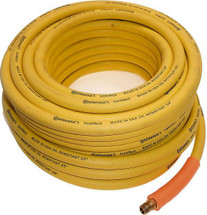
Salt, brine, and grime build fast. A rugged water line makes cleanup easier between storms. Continental 3/4 inch heavy-duty water hose is USA-made with robust fittings and kink resistance, suitable for winter washdowns when a standard garden hose fails.
Cold floors and sharp materials also demand better protection. If you are refreshing PPE for winter shifts, consider upgrading to warm, dexterous work gloves that keep grip without bulky stiffness.
Quick winter readiness checklist
- Drain compressor tanks and filter bowls daily, verify auto drains.
- Warm tools and hoses to shop temperature before heavy use.
- Inspect hoses, fittings, and reels; fix leaks and replace damaged sections.
- Align reels for straight payout; confirm smooth rewind tension.
- Choose 3/8 inch rubber hose with matched PSI rating and standardized quick-connects.
- Select clog-resistant abrasives with durable backers; inspect wheels before use.
- Store abrasives cool and dry; keep packaged until use.
- Stage a heavy-duty water hose for washdowns; refresh winter-ready gloves.
FAQ
- How should I maintain air compressors and hoses in winter? Drain moisture daily, warm tools and hoses before heavy use, inspect and replace damaged hose sections, verify regulators, filters, and lubricators, and check fittings for leaks.
- How should I store abrasives? Keep them cool and dry, away from sunlight, in original packaging when possible, and let them acclimate to shop temperature before use.
- How do I choose a 3/8 inch air hose and fittings? Match 3/8 inch ID and practical length to your tools, pick flexible rubber with an adequate PSI rating, and standardize on compatible quick-connects and thread sealants.
Plan ahead and keep work moving
A few targeted upgrades and routine checks prevent frozen lines, stiff hoses, and clogged media from slowing the team. For product guidance or to plan winter stock and seasonal promotions, email sales at info@richtoolsystmes.com.
Helpful resources:
- Compare retractable air hose reels and mounting options in our air hose reels section.
- Review winter-ready abrasive products, including flap discs and conditioning discs, in our abrasives lineup.
- See options for a flexible 3/8 inch air compressor air hose sized for shop tools.
- If you need warm, dexterous protection, browse our work gloves for mechanics.