
Posted by Rich Tool Systems on Sep 14th 2026
Surface prep that saves time: Choosing Flap Discs, Conditioning Discs, and Wheels
Surface prep that saves time: choosing flap discs, conditioning discs, and wheels
Fast, clean surface prep sets the tone for everything that follows. Welds blend smoother, coatings stick better, and rework drops when you match the abrasive to the job. The challenge is not a lack of options, but choosing the right disc or wheel and using it correctly on steel versus aluminum.
This guide breaks down when to reach for flap discs, surface conditioning discs, and cutting or grinding wheels. You will find practical grit and abrasive recommendations, edge control tips, safety checks, storage best practices, and seasonal reminders as temperatures fall.
Flap discs vs. conditioning discs vs. wheels
- Flap discs: Best for combined stock removal and blending. Use them to smooth welds, knock down mill scale, and leave a uniform finish that often needs minimal follow-up.
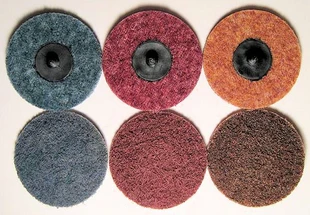
- Surface conditioning discs: Non-woven quick-change discs for cleaning, de-scaling, oxidation removal, blending, and final prep before coating. Ideal after heavy grinding to erase scratch patterns.
- Cutting wheels: Thin cut-off wheels for fast, precise sectioning of tube, bar, or sheet without deforming edges. Not for side load or grinding.
- Grinding wheels: Depressed-center wheels for heavy material removal, beveling, and reshaping. Use when you need aggressive cut and durability.
For tight access, 2 inch conditioning discs reach corners and small radii; 3 inch discs cover larger patches and contours faster.
Steel vs. aluminum: avoid loading and contamination
Steel is forgiving but demands heat control. Aluminum cuts fast and loads easily. Use these rules:
- Aluminum: Choose softer bonds and load-resistant grains. Keep light pressure, higher surface speed, and clear swarf frequently to prevent smearing. Non-ferrous specific products help prevent loading.
- Steel and stainless steel: Use sharper grains and bonds that hold up under pressure. Avoid cross-contamination by dedicating abrasives to stainless steel only if corrosion resistance matters. Do not use wheels previously used on carbon steel when finishing stainless steel.
Abrasive type and grit recommendations
Abrasive types commonly used in metalworking:
- Aluminum oxide: Reliable, economical general-purpose grain for steel and softer metals.
- Zirconia alumina: Tough, self-sharpening grain for heavy grinding and longer life on steel and stainless steel.
- Ceramic alumina: Fast cutting under high pressure with cooler grinding on hard alloys and stainless steel.
- Silicon carbide: Sharp, friable grain for non-ferrous metals, composites, and finishing tasks where low pressure and crisp scratch patterns matter.
Grit guidance by task:
- Heavy removal and beveling: 24 to 40 grit on grinding wheels or coarse flap discs.
- Weld blending and scale removal: 40 to 60 grit flap discs, zirconia or ceramic preferred on steel and stainless steel.
- Blend to paint-ready: 60 to 80 grit flap discs followed by medium/fine surface conditioning.
- Final prep before coating or polishing: Fine surface conditioning or 120 to 180 grit where a defined scratch is required.
For aluminum, use specialized non-loading designs when possible and move to surface conditioning sooner to reduce smear and galling.
Edge control and technique
- Use the right angle of attack. Flap discs typically run at 5 to 15 degrees for balanced cut and finish. Grinding wheels can sit closer to 30 degrees for fast removal.
- Keep the disc moving. Dwell marks become low spots that are hard to hide under paint or powder.
- Step down your scratch. After a 40 or 60 grit blend, use a finer flap disc or a medium conditioning disc to erase the deep pattern.
- Respect corners. To preserve geometry on panels and tubing, reduce pressure at edges and use smaller 2 inch or 3 inch quick-change discs where control matters most.
Safety checks that save time
Pre-use inspection is non-negotiable:
- Inspect cutting and grinding wheels for cracks, chips, or glazing. Check blotters and flanges for damage. If in doubt, discard the wheel.
- Verify bond integrity on flap discs and ensure the backing is sound.
- Confirm RPM rating meets or exceeds tool speed.
- Use appropriate guards and eye, face, and hand protection. Mechanics-style or cut-resistant gloves improve grip and control around sharp edges.
If you need replacement PPE, see durable options for gloves for work that balance dexterity and protection.
Storage and fall maintenance
Cool, dry storage extends abrasive life and keeps performance consistent:
- Keep abrasives in original packaging until use.
- Store away from direct sunlight and sources of moisture or heat.
- Organize by grit and material. Dedicate containers for stainless steel to avoid contamination.
- Rotate stock first in, first out.
As temperatures drop:
- Let cold tools and discs reach shop temperature before heavy grinding. Cold bonds can feel hard and cut inconsistently.
- Drain air compressors frequently to remove moisture that can condense faster in fall. Inspect hoses and fittings for hard spots and cracks.
- Review guards, flanges, and wrenches on grinders. Replace worn pads and backing plates.
Product selection made easy
Selecting the correct consumable often comes down to the specific alloy, geometry, and finish target. For quick-change work in small areas, explore 2 inch and 3 inch options, including fine and medium grades, to blend and prep before coating. For broader grinding and blending, choose flap discs matched to your substrate and duty cycle. When heavy shaping is required, pick the correct composition in grinding wheels to reduce chatter and extend life.
To compare categories or restock, browse abrasive products and dedicated grinding wheels. If you need gloves for control and protection during grinding and cutting, view work gloves.
Rich Tool Systems can help you match abrasive type, grit, and bond to your application. Contact the team for application-specific recommendations that balance speed, finish, and cost.
FAQ
- What are examples of abrasives? Common examples include aluminum oxide, zirconia alumina, ceramic alumina, and silicon carbide. In non-woven products, aluminum oxide grain is frequently used for durability and controlled cut.
- What is the most common abrasive? Aluminum oxide is typically the most widely used abrasive for general-purpose metalworking due to its balance of cut rate, durability, and cost.
Summary and next step
Choosing between flap discs, conditioning discs, and cutting or grinding wheels starts with the material, the finish target, and your time constraints. Use sharper, tougher grains and appropriate bonds on steel and stainless steel, select load-resistant options for aluminum, step down your scratch pattern for a paint-ready finish, and inspect and store abrasives correctly, especially as temperatures fall. For tailored advice on your parts and process, contact Rich Tool Systems for a recommendation that fits your shop.
Internal links:
- Explore abrasive products: https://www.richtoolsystems.com/abrasives.html
- Compare grinding wheels: https://richtoolsystems.com/depressed_center_grinding_wheels.html
- Shop flap discs: https://www.richtoolsystems.com/flap_discs.html
- See work gloves: https://www.richtoolsystems.com/work_gloves.html