
Posted by Rich Tool Systems on Apr 13th 2026
Cutting and Grinding Wheels-Selecting the Right Wheel
Cutting And Grinding Wheels: Selecting The Right Wheel For Clean, Precise Results
A fresh year is the perfect time to audit your tooling. If you want fewer reworks and less downtime, start with the consumables you reach for every day, especially cutting and grinding wheels. The right wheel delivers cleaner cuts, cooler grinding, and longer service life. The wrong one slows you down and risks safety. This guide explains the differences between cutting and grinding wheels, key specs to understand, best matches for common metals, and practical steps for safe use and timely replacement. You will also find a quick decision chart and real shop examples from auto repair and fabrication.
Cutting Wheels vs. Grinding Wheels
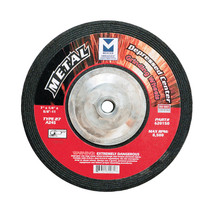
Cutting wheels: Thin, reinforced discs designed to slice through material along a kerf. They prioritize speed and minimal heat input over side load strength. Do not use for heavy side pressure. Grinding wheels: Thicker, stronger discs designed for stock removal, beveling, weld cleanup, and profiling. They tolerate side pressure and generate more heat and sparks. Use controlled passes and avoid gouging.
If the goal is separation with minimal burr and discoloration, choose a cutting wheel. If the goal is shaping or smoothing, choose a grinding wheel.
Key Specs That Drive Performance
Understanding a few specs helps you select confidently and avoid premature wear.
Abrasive grain:
Aluminum oxide (AO) for carbon steel and general purpose work.
Zirconia alumina (ZA) for stainless and harder steels, strong under pressure with a cool cut.
Ceramic alumina for high stock removal on tough alloys and heavy grinding.
Silicon carbide (SiC) for nonferrous metals and cast iron; it is sharp and friable.
Bond type: Resin bonds handle heat and impact well, common on cutting and grinding wheels. A harder bond lasts longer but can cut hotter; a softer bond sheds grain faster to keep the wheel sharp. Hardness grade: Indicates how firmly the bond holds grain. Softer grades cut cooler and are better for heat sensitive metals; harder grades suit tough grinding where form retention matters. Thickness:Cutting wheels: thin kerf (0.040 to 0.060 inches) for fast, clean cuts; thicker options improve durability on rough stock.
Grinding wheels: thicker bodies for stability and longer life during side loads.
RPM rating: Always match or exceed your tool’s no load RPM. Never mount a wheel on a tool that exceeds the wheel’s rated speed.
Arbor size: Must match your tool’s spindle or collet, and be used with the correct flanges or adapters. Never force fit.
Matching Wheel and Material
Carbon steel:
Cutting: AO or ZA thin cut wheels for fast cuts with manageable burr.
Grinding: AO or ZA grinding wheels for bevel prep and weld cleanup.
Stainless steel:
Cutting: ZA or ceramic wheels labeled “INOX” or iron free to minimize contamination and heat tint.
Grinding: ZA or ceramic with a cooler cutting action to avoid burn and work hardening.
Aluminum:Cutting: SiC or specialty non loading formulations; keep the cut clear of chips to prevent binding.
Grinding: Avoid standard AO or ZA that can load. Use SiC or dedicated nonferrous wheels and keep the wheel dressed to prevent glazing.
Cast iron:Cutting: SiC performs well on the brittle structure.
Grinding: SiC for fast, sharp action and reduced smearing.
For blended finishing, flap discs are a strong follow up after grinding to refine surface profile and remove scratch patterns.
Safety and Wheel Handling Essentials
Inspect before use: Look for cracks, chips, uneven wear, glazing, and expired dates. Perform a ring test on vitrified wheels, and discard any wheel that fails.
Mount correctly: Verify flanges are clean and flat, guards installed, and the wheel seats without wobble. Tighten to spec, not with excessive torque.
PPE: Wear eye and face protection, hearing protection, long sleeves, and appropriate gloves. If you need dexterity, consider work gloves designed for mechanics.
Operation: Let the wheel reach full speed before contacting the work. Use a straight, controlled feed. Avoid side loading with cutting wheels.
Storage: Keep wheels dry, in original packaging, away from direct heat or moisture. Do not stack heavy objects on them.
When to Replace a Wheel
Visible cracks, edge chips, or delamination.
Excessive vibration or chatter that dressing does not correct.
Glazing that persists even after proper dressing and feed adjustments.
Undersized diameter that no longer maintains guard coverage or effective surface speed.
Burn, discoloration, or excessive burr on the work that indicates the wheel has lost sharpness or the bond is spent.
Timely replacement reduces heat input, saves passes, and protects operators.
Quick Decision Chart
Need a fast, clean separation cut with minimal burr, on thin to medium sections, choose a thin cutting wheel matched to your material: AO for steel, ZA or ceramic for stainless, SiC for aluminum and cast iron. Need to remove material, shape edges, or prep welds, choose a grinding wheel: AO for steel, ZA or ceramic for stainless and tough alloys, SiC for cast iron and nonferrous when loading is a risk. Concerned about heat tint or contamination on stainless, choose iron free, cool cutting ZA or ceramic wheels labeled for INOX.
Fighting wheel loading on aluminum, choose SiC or specialty non loading wheels and maintain steady chip clearance.
Working in cold winter shops, prefer abrasives and bonds that hold cut on dense, cold material, and let chilled tools warm to room temperature before use.
New Year Tooling Audit: Reduce Downtime
Use January to review your stock and setup.
Inventory cutting and grinding wheels by type, grit, and material compatibility.
Confirm your grinders match arbor size and RPM ratings.
Replace wheels that show wear, glazing, or out of date labeling.
Check guards, flanges, and spindles for damage or misalignment.
Organize by task so technicians grab the right wheel quickly, and label storage clearly.
Pair your abrasive selection with PPE and clean air delivery so tools run at spec.
Auto Repair and Fabrication Use Cases
Exhaust work on stainless: Use a thin ZA cutting wheel to section tubing cleanly. Follow with a ZA flap disc to blend welds without overheating.
Aluminum intercooler brackets: Cut with a SiC or non loading cutting wheel, then switch to SiC grinding or flap finishing to avoid loading and galling.
Mild steel frame tabs: AO cutting wheel for quick tab separation, AO grinding wheel to bevel edges for weld prep.
Cast iron manifold stud removal: SiC wheel to carefully relieve seized nuts or slots, minimizing smearing on the casting.
Examples of Cutting Tools
Customers often ask for quick references to common cutting tools. Here are clear lists you can use during audits and restocks.
Examples of cutting tools: Cutoff wheels, hacksaws, band saw blades, utility knives, shears, snips, reciprocating saw blades, hole saws, drill bits, taps.
The main cutting tools in many metal shops: Cutting wheels, grinding and cut off combos, band saw blades, drill bits, and snips or shears.
The 5 cutting tools most mechanics keep close: Cutoff wheel, drill bits, reciprocating saw blades, utility knife, snips.
6 cutting tools frequently used in fabrication: Cutting wheels, angle grinder grinding and cutting discs, band saw blades, plasma torch, drill bits, hole saws.
If you are building or refreshing kits, start with the tools that match your most common substrates and thicknesses.
Rich Tool Systems Selection
When you need quality, consistent cut, and reliable bonds, Rich Tool Systems supplies professional grade options for metalworking and automotive shops. Explore our abrasive products to match cutting and grinding wheels, flap discs, and specialty surface prep to your workload. For related selections, see cutting tools for taps, dies, and drilling needs.
Limit trips back to the bench by pairing the right wheel with the right PPE. If you are upgrading gloves this season, browse work gloves to balance dexterity and protection around sparks and sharp edges.
Summary
Choosing between cutting and grinding wheels comes down to your task and material. Match grain, bond, hardness, thickness, RPM rating, and arbor fit to your grinder and substrate. Use AO for general steel, ZA or ceramic for stainless and hard alloys, and SiC for aluminum and cast iron. Store wheels properly, inspect before use, and replace on time. During your new year audit, restock the wheels that cut cooler and last longer, verify tool compatibility, and organize for quick selection. With the right setup, you reduce downtime and deliver clean, precise results all year.